Designing a product in code instead of Figma: when it’s worth it
Designing in code pays off when the product already works and new features have to be tested in the real interface. Since April 2025 that’s how I’ve designed the team version of Spark at Readdle. Figma stays, but for specifications.
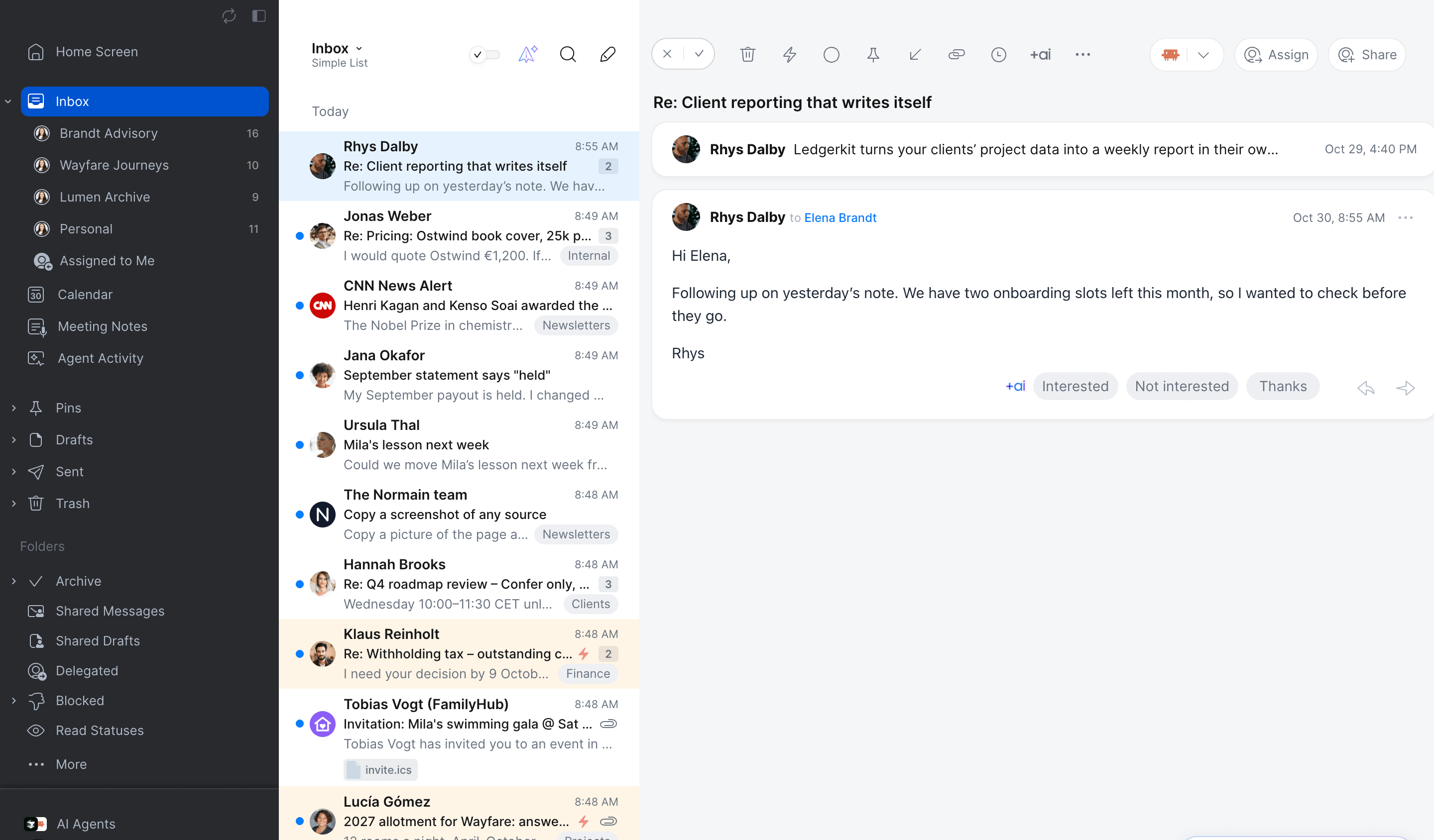
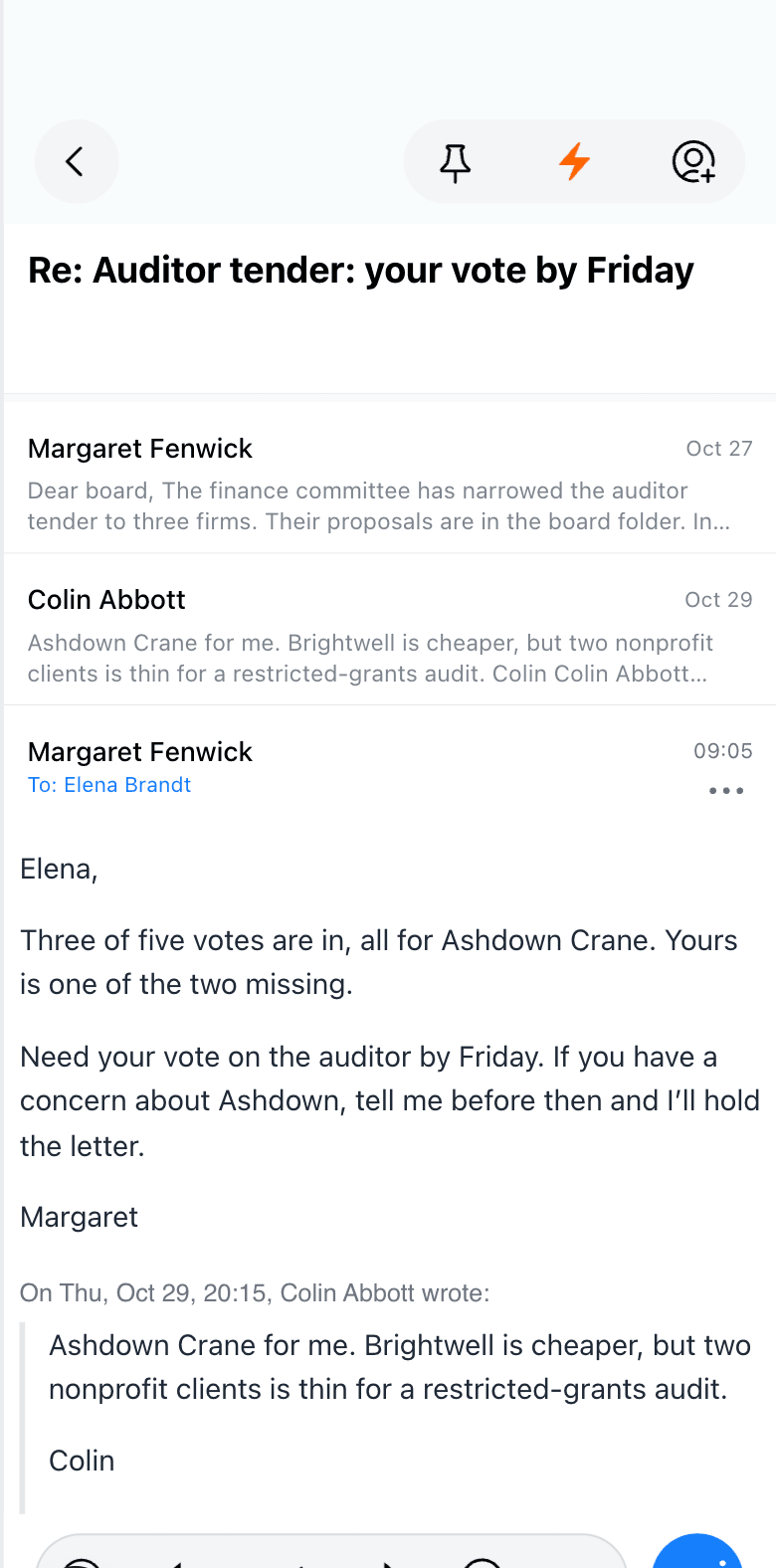
Why the change
Readdle is taking Spark, its email app, into teamwork. The team version adds shared work on email, a calendar, meeting notes and AI.
Static mockups couldn’t show how these features would behave in a real inbox. Testing each idea took developers’ time.
What it looks like day to day
- I design new features straight in the app’s code, with AI tools.
- Every idea goes into a working prototype that shows the whole inbox, not a single screen.
- Figma is used for specifications for developers.
- Designers and developers share one design system.
- The team’s design process is written down.
When designing in code is worth it
- The product already works and has a design system.
- The feature depends on behaviour, not just looks: states, data and motion.
- Several people make the decision and need to see the same thing.
- The team loses time because developers build every trial version.
When I stay in Figma
- At the very start, when I’m looking for a direction and comparing several options quickly.
- For brand work and materials that aren’t an interface.
- When there’s no code or design system yet.
The result at Readdle
The prototype has become a tool for the whole team. Designers and product managers test ideas in it themselves, without waiting for developers.
My areas include collaboration on email, the calendar, the AI panel and meeting notes. The work is ongoing.