An AI app prototype: how it works in practice
I start a working AI app prototype from one decision the company has to make and from the real questions of its future users. That’s how I built the prototype of MAIA, an assistant for Adamed’s medical consultants.
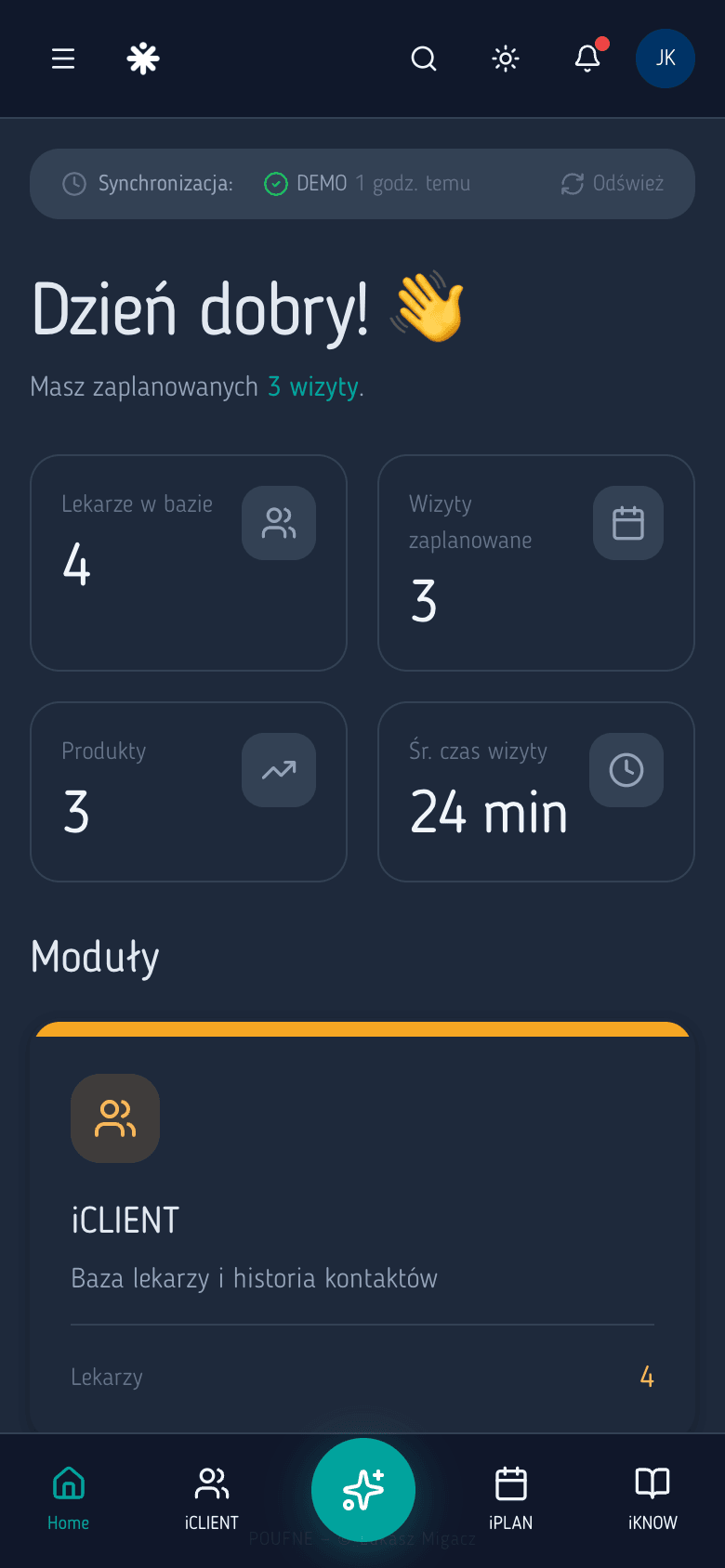
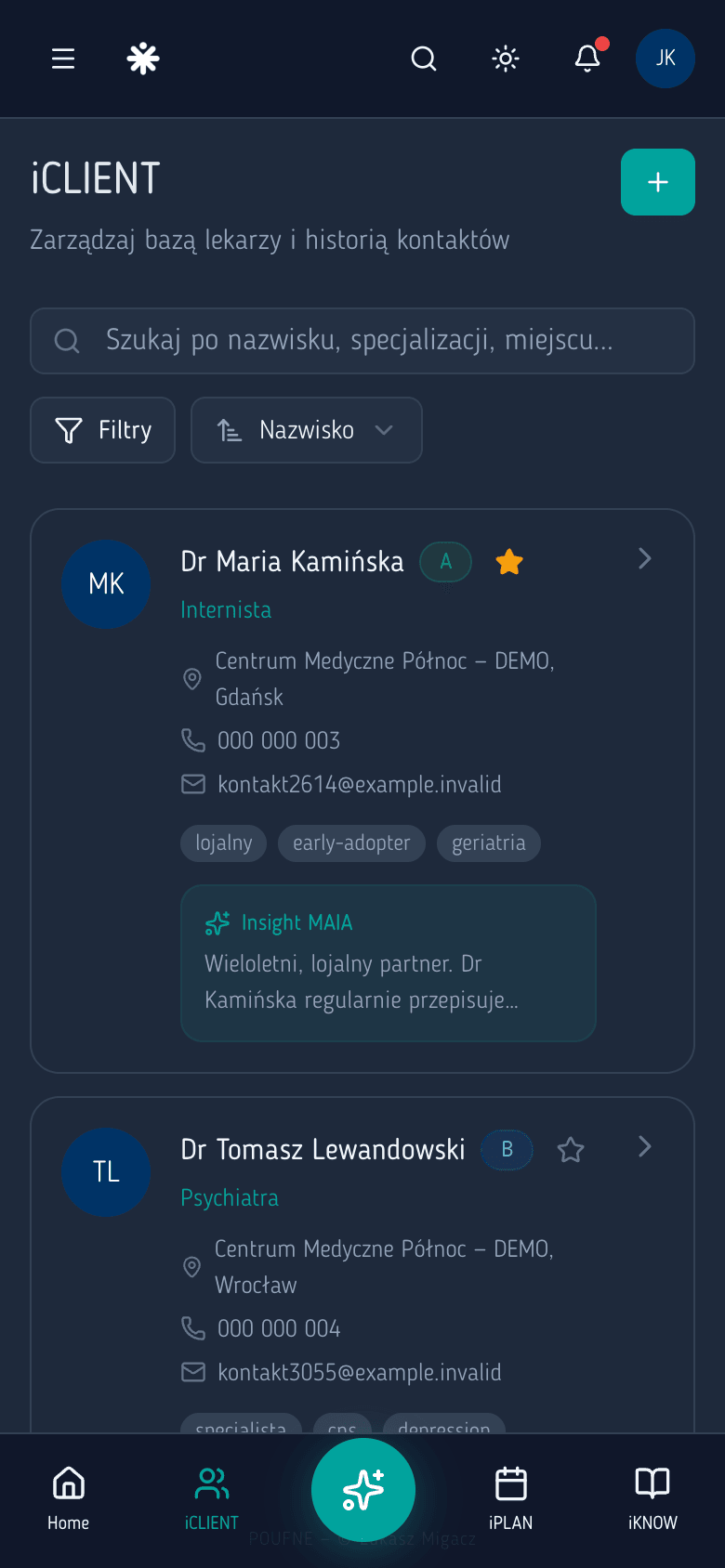
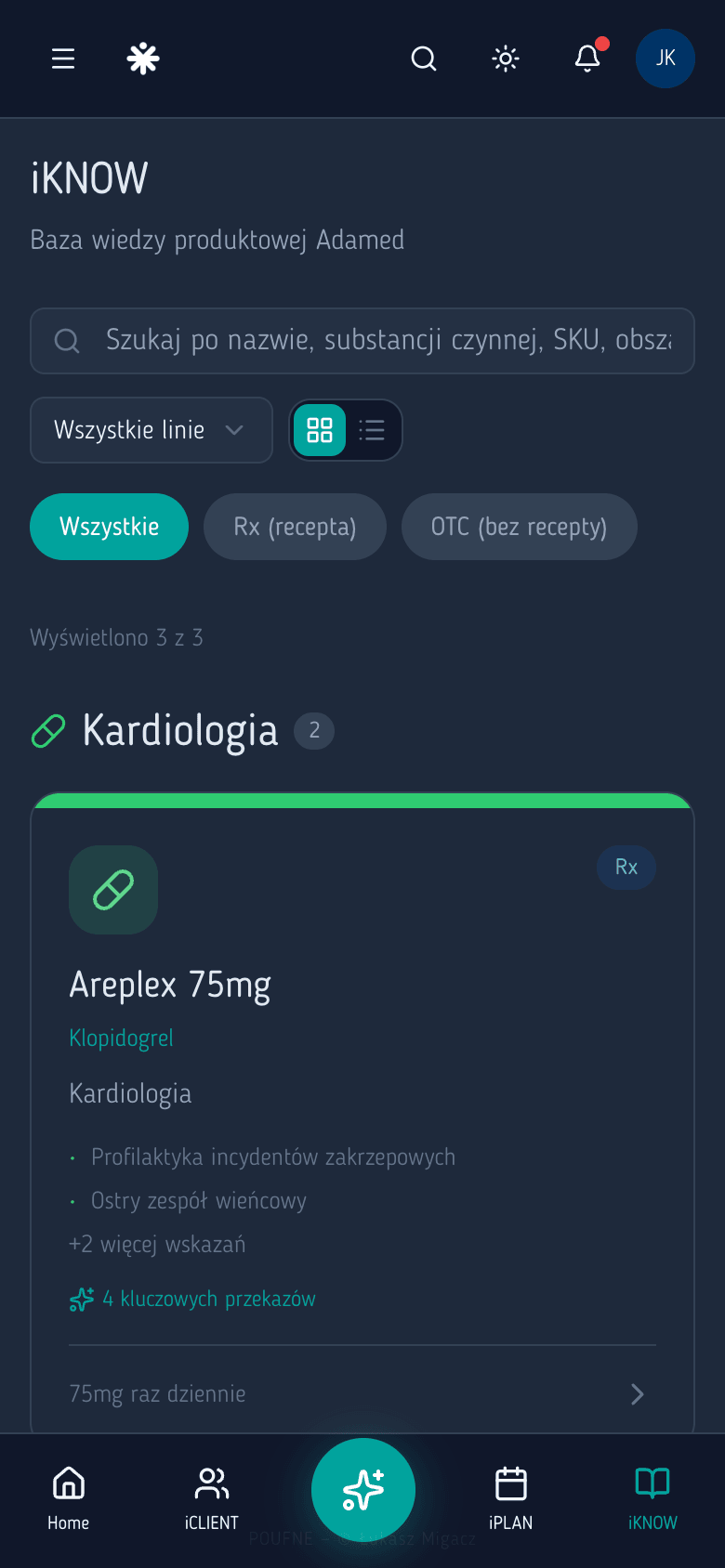
Why a prototype when there’s already a presentation
A presentation shows an idea; a prototype lets people test it. At Adamed the starting point was one diagram and a business direction. That wasn’t enough to decide on a tool for hundreds of consultants.
The decision makers wanted to see how an AI assistant answers questions from their everyday work. So I build a version people can use: click, ask a question and see the answer.
How I do it, step by step
- I agree on the decision the prototype should help with. At Adamed, it was whether and how to build a tool for consultants.
- I shape the product around one person’s working day. For MAIA, that’s a consultant’s day: doctor profiles, visit planning, product knowledge and training.
- I collect the questions that person asks at work, and test the assistant on them.
- I build a working version with AI tools, on demo data. I don’t draw separate mockups.
- User roles and data security are in from the start, because the prototype has to open a conversation about a rollout.
- I hand the prototype to the people who decide and collect their questions.
What I need from the company
- A description of the decision the prototype should help with.
- Someone who knows the process and answers questions during the build.
- Example questions and situations from the future users’ work.
- A go-ahead for demo data that resembles the real thing.
What the company gets
A working prototype that anyone can open in a browser and try for themselves. At Adamed, the people reviewing the project asked the assistant about doctor profiles. On that basis, the company is discussing a rollout for about 700 consultants working at the same time.
A prototype isn’t a finished product. MAIA stays a prototype until the rollout decision. Its job is to shorten the way to that decision.